by Joe Eaton
(Full article from RATS Tales July 2025)
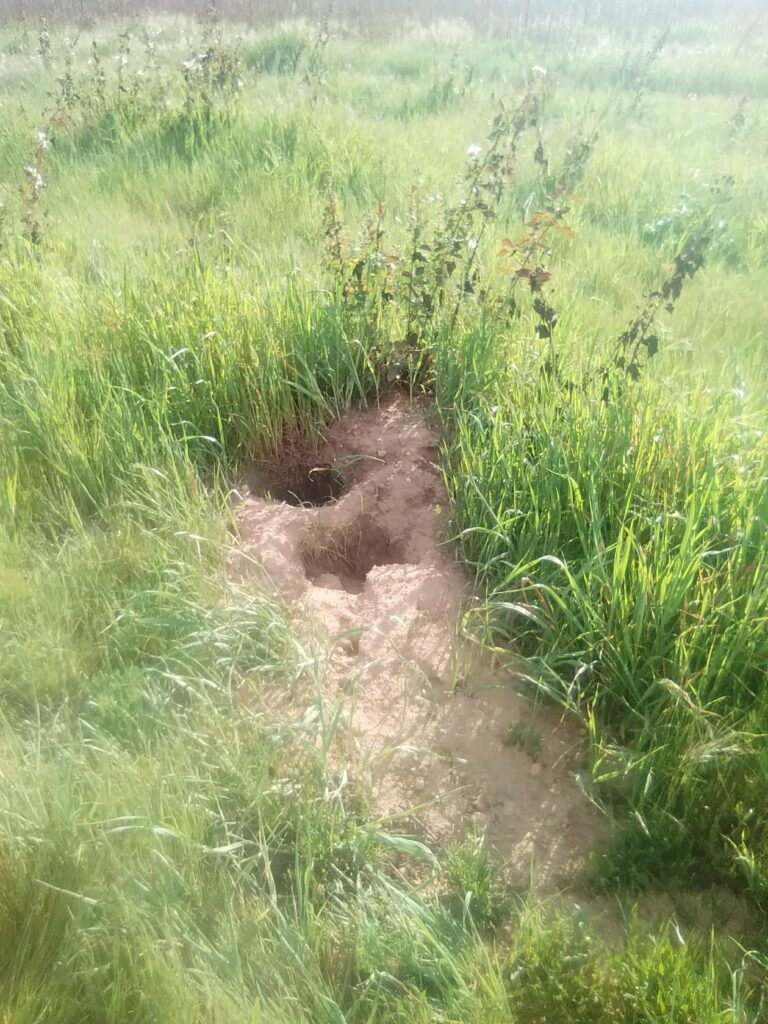
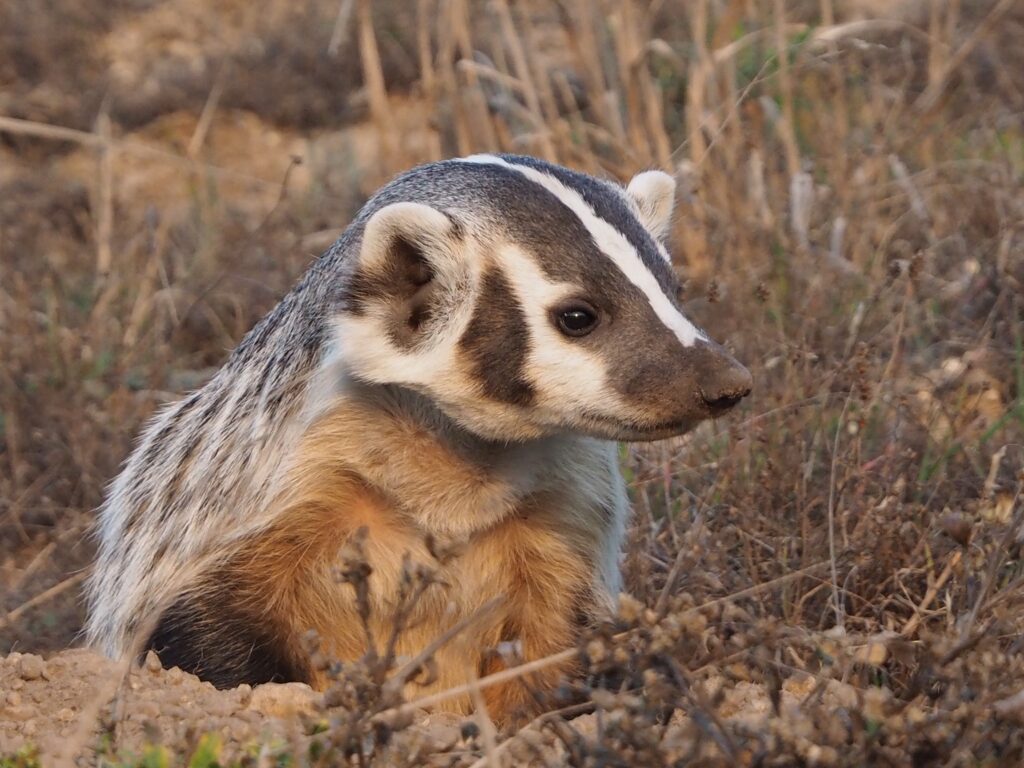
An American badger on the move may look like an ambulatory bathmat, but it’s a skilled predator. While it may take reptiles (including rattlesnakes) and ground-nesting birds, burrowing rodents like ground squirrels and prairie dogs are its primary prey. These species are frequent targets of anticoagulant rodenticides (ARs), putting the mammals and birds that hunt them at risk of secondary poisoning.
In a study recently published in the journal Environmental Pollution, wildlife biologist Sofi Hindmarch of the Fraser Valley Conservancy and her co-authors report AR exposure in an endangered population of American badgers in remote areas of British Columbia—ironically, the Canadian province with the most stringent regulations on AR use. The paper also documents ARs in British Columbian fishers. Like badgers, fishers are members of the mustelid family whose diet of rodents makes them vulnerable to AR poisoning.
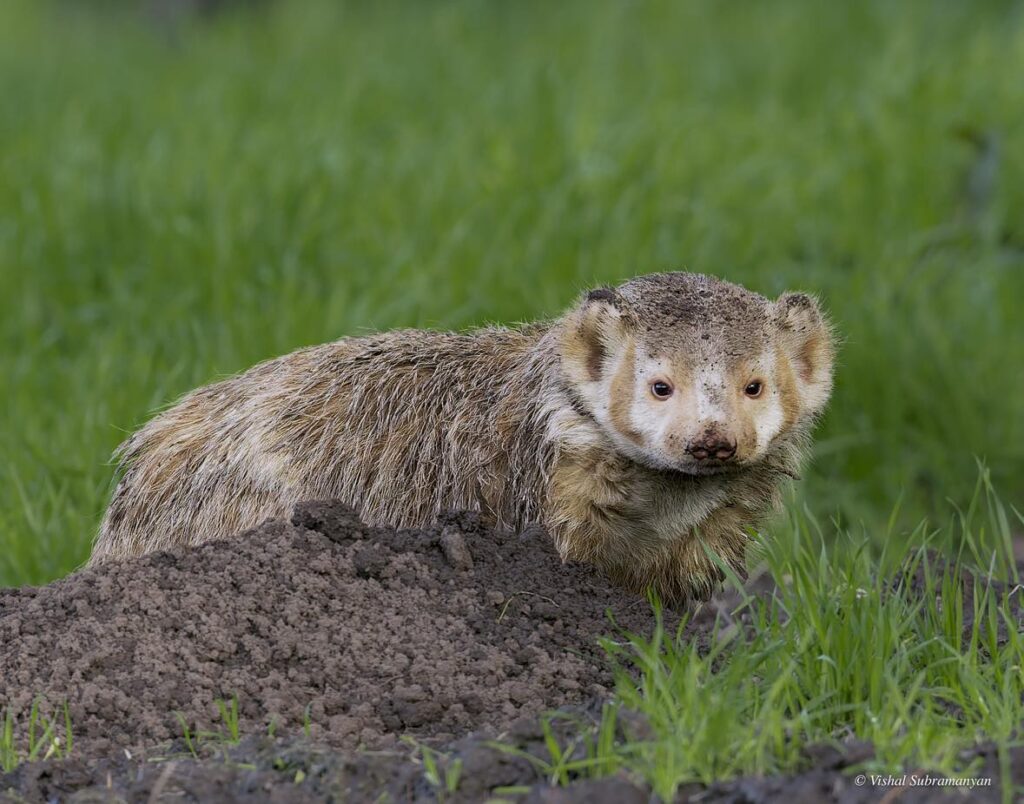
British Columbia’s badgers are classified as the subspecies jeffersoni, which has an extensive range in the northwestern United States but only a precarious clawhold in Canada. The subspecies is listed as endangered in the province with a current population estimated as between 230 and 340. The badgers’ decline has been driven by the conversion of grassland habitat to agricultural and urban uses. They’ve also been persecuted by farmers and ranchers who regard badger burrows as a hazard to livestock, and are frequently killed while crossing roads and railroad tracks. There’s little data on how rodenticides have affected them, although a road survey in Saskatchewan found fewer badgers and red foxes in areas where the first-generation AR (FGAR) chlorophacinone, along with strychnine, had been used against Richardson’s ground squirrels in farmland.
Two fisher populations in the province have special-status listings, with threats including habitat loss and fragmentation. It’s unclear how many remain. AR exposure in fishers has been reported in California, Washington State, and the northeastern United States, but not previously for British Columbia.
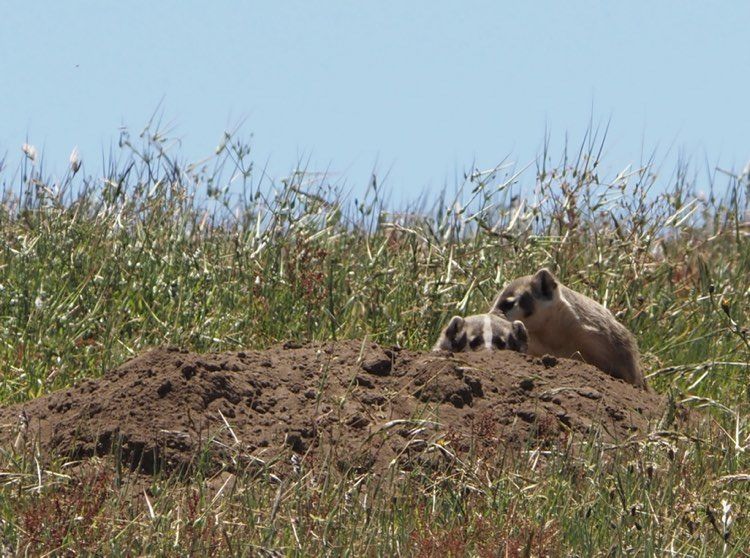
In the new study, the carcasses of 59 road-killed badgers collected from 1998 to 2018 and ten fishers road-killed or caught by commercial trappers from 2003 to 2009 were examined for ARs. Liver tissue from 41 of the badgers tested positive for one or more ARs; 27 had been exposed to both FGARs and second-generation ARs (SGARs.) The most commonly detected compounds were the SGARs bromadiolone (33) and brodifacoum (21) and the FGARs chlorophacinone (20) and diphacinone (17). The highest concentration was a whopping 2138 nanograms per gram.
The scientists found no significant association between AR levels and the age and sex of the badgers or landscape variables. Badgers judged to be in fair condition based on body fat had slightly higher concentrations than those in excellent or good condition. “All badgers were roadkill so it was hard to determine any pre-existing injuries,” Hindmarch wrote in email, and internal bleeding caused by ARs would have been masked by trauma from vehicle impacts. One of the ten fishers had residues of bromadiolone and the FGAR warfarin; another had traces of brodifacoum.
British Columbia has limited the use of SGARs since 2013. As of 2023, brodifacoum and difethialone are limited to indoor applications and outdoor use of bromadiolone is allowed only within 15 meters of a building; regulations are imprecise as to what constitutes a building and whether it needs to be sealed. There are no constraints on outdoor use of FGARs and no movement toward their regulation. The authors conclude that “the main FGAR exposure route is in field applications to control Columbian ground squirrels, Northern pocket gophers and vole species, which are then predated on by badgers.”
Hindmarch says concentrations of SGARs in badgers have increased over time despite the restrictions; unpermitted uses likely continue. It’s noteworthy that the highest AR concentrations in the badger study were in the East Kootenays region, where human presence is thin but Columbian ground squirrels are more common. “It is closer to Alberta, which has lax pesticide regulations, so [it’s] easy to pop over to Calgary and buy whatever shit they want and use it illegally in BC,” says co-author Richard Weir.
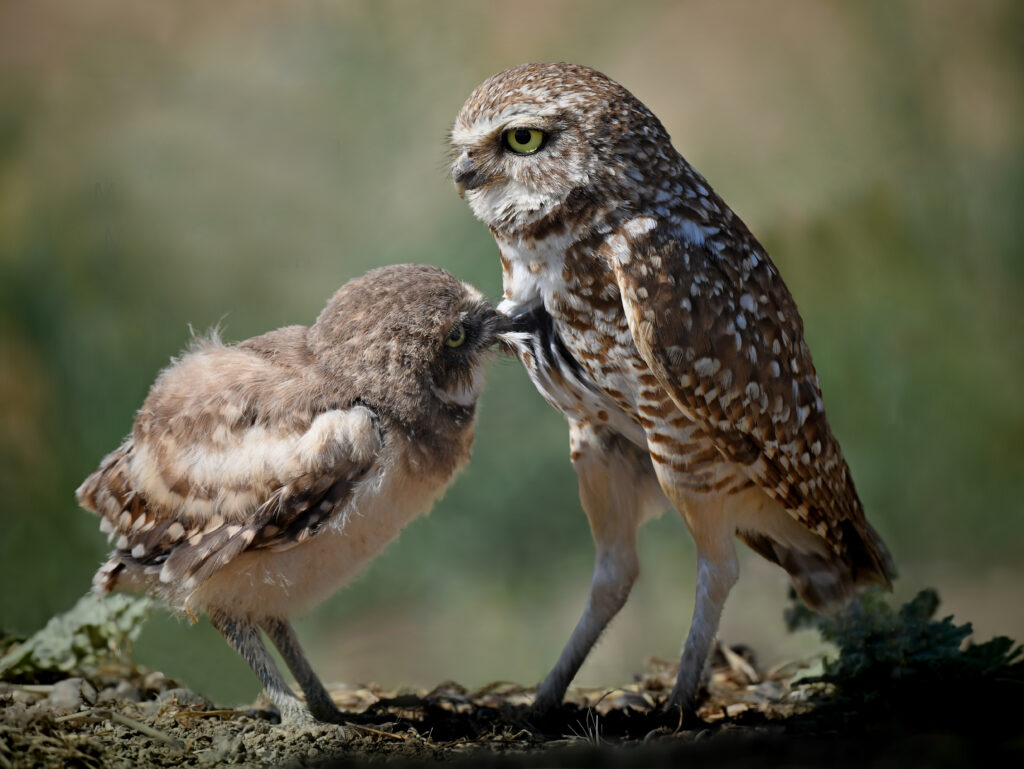
While the fisher sample was smaller than the badger sample, finding ARs in these reclusive forest-dependent carnivores was unexpected. In California, Mourad Gabriel’s research has implicated outlaw cannabis grows in the poisoning of fishers, but this is not a likely factor in British Columbia: “too cold,” according to Weir. However, their habitat is being developed for natural gas extraction, and ARs are probably being used around gas compressor stations. Both species are at risk from AR poisoning, but British Columbia’s badgers appear particularly vulnerable because of their reduced numbers and their life history, which includes late maturity, small litters, and little gene flow among subpopulations. Where these cantankerous loners persist, they can be a keystone species whose excavations provide shelter for other sensitive species like burrowing owls and spadefoot toads. The province ended the commercial trapping of fishers in 2021 but by-catch mortality continues. Neither of these beleaguered mustelids needs the additional stressor of AR exposure.
For more information about badgers in British Columbia, check out the Badgers in BC website.
To report sightings and concerns or ask questions about American badgers, contact badger naturalist Susan Kirks (susankirks333@gmail.com, 707-241-5548). Susan is located in California, with 26 years of badger field study and observations.