by Joe Eaton
(Full article from RATS Tales May 2026)
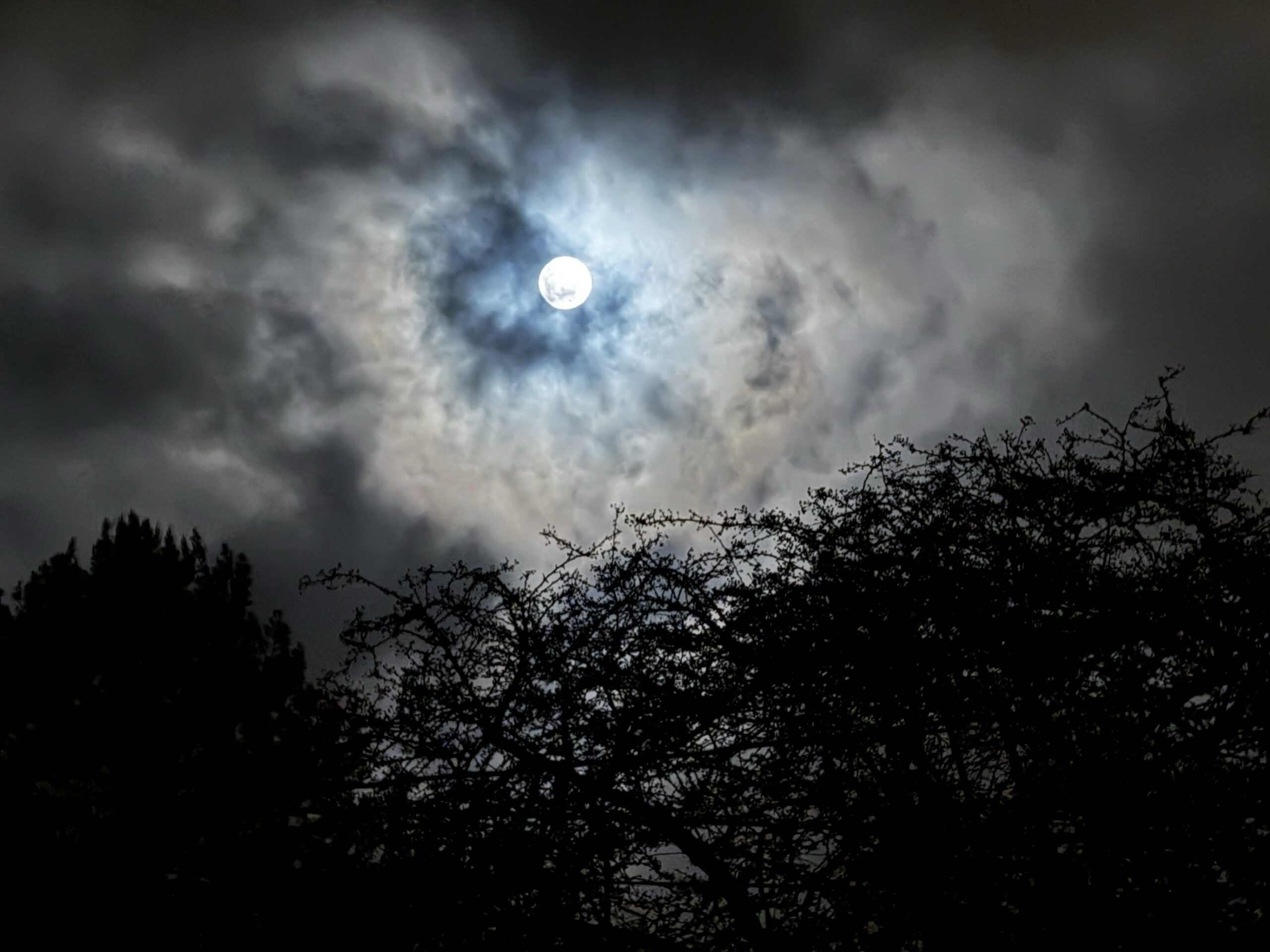
The “dark sacred night” Louis Armstrong sang about in  What a Wonderful World is an endangered phenomenon. Creatures with dark-adapted senses now have to navigate a lightscape of illuminated buildings, communications towers, and industrial sites. For some animals, artificial light at night—ALAN for short—is a literal fatal attraction. For others, it complicates the vital business of finding food and mates.
ALAN’s impacts are felt throughout the animal kingdom. Onshore lights can upset the lunar-timed spawning of the tiny invertebrates that build coral reefs. Artificial lighting interferes with the courtship communications of fireflies and glowworms. Its appeal to moths is proverbial; Tom Waits sang about “the way a moth mistakes a light bulb for the moon and goes to hell.”
“Big-city lights have even been cited as a possible cause of the enormous loss of insect abundance,” writes raptor ecologist and moth aficionado Allen Fish in the current issue of Bay Nature magazine. Light-attracted moths exhaust themselves and are easy pickings for predators. In Australia, the lights of Canberra draw hordes of migrating bogong moths off course and may be contributing to the species’ decline.
Green frogs call less frequently under ALAN, and tungara frogs become less selective in choosing mates. Hatchling sea turtles, which normally head for the safety of the ocean, are lured inland by artificial lights.
A few bat species tolerate light exposure and feed on insects attracted to city lights. In Venezuela, however, two fruit eating bat species, both important seed dispersers, deserted an urban forest patch after artificial lighting was installed nearby. ALAN was also implicated in the abandonment of historic roosts in Germany. Bats aside, any mammalian species that requires the cover of night to locate prey or avoid predators could be affected.
Many North American bird species, from waterfowl to warblers, are nocturnal migrants. ALAN interferes with their ability to orient by the stars and the earth’s magnetic field, and pulls them into collisions with human-made structures. Exactly how the disruption works remains undetermined.
Aristotle wrote about birds being attracted to light, and the Victorians were aware of it: in one of Sir Arthur Conan Doyle‘s Sherlock Holmes stories, Dr. Watson, Holmes’ sidekick, says “Folk who were in grief came to my wife like birds to a light-house.” Mass bird deaths at electric light towers were first reported in 1886. The naturalist Herbert Stoddard monitored mortality at a north Florida television tower for fifteen years beginning in 1955; others continued the project for ten years after his death. The overall tally was 42,000 birds (7,000 in a single night) of 189 species. Lights at a Georgia airbase led 50,000 birds to their deaths on one night in 1954, and 10,000 were killed at illuminated smokestacks in Ontario in 1981.
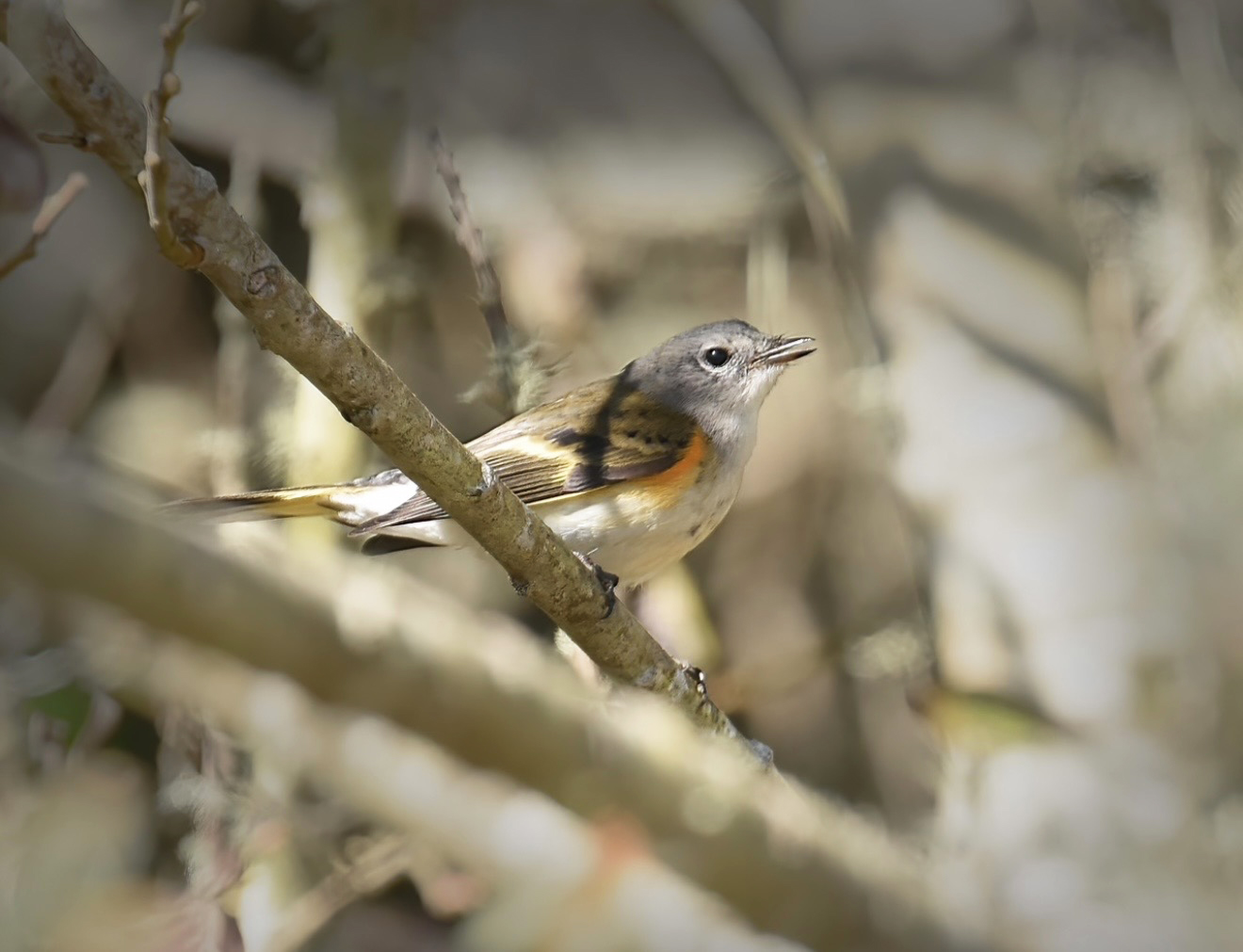
Sidney Gauthreaux (Clemson University), Travis Longcore (UCLA), and Catherine Rich (Urban Wildlands Group) found that steadily burning lights and multiple supporting guy-wires are the most lethal combination; the lights draw night migrants in and hold them captive as they collide with the tower, the wires, and each other. Lights that turn on and off release the birds before they become disoriented and exhausted. Longcore claimed that tower mortality could be reduced by 60 to 80 percent by switching from steady to flashing lights.
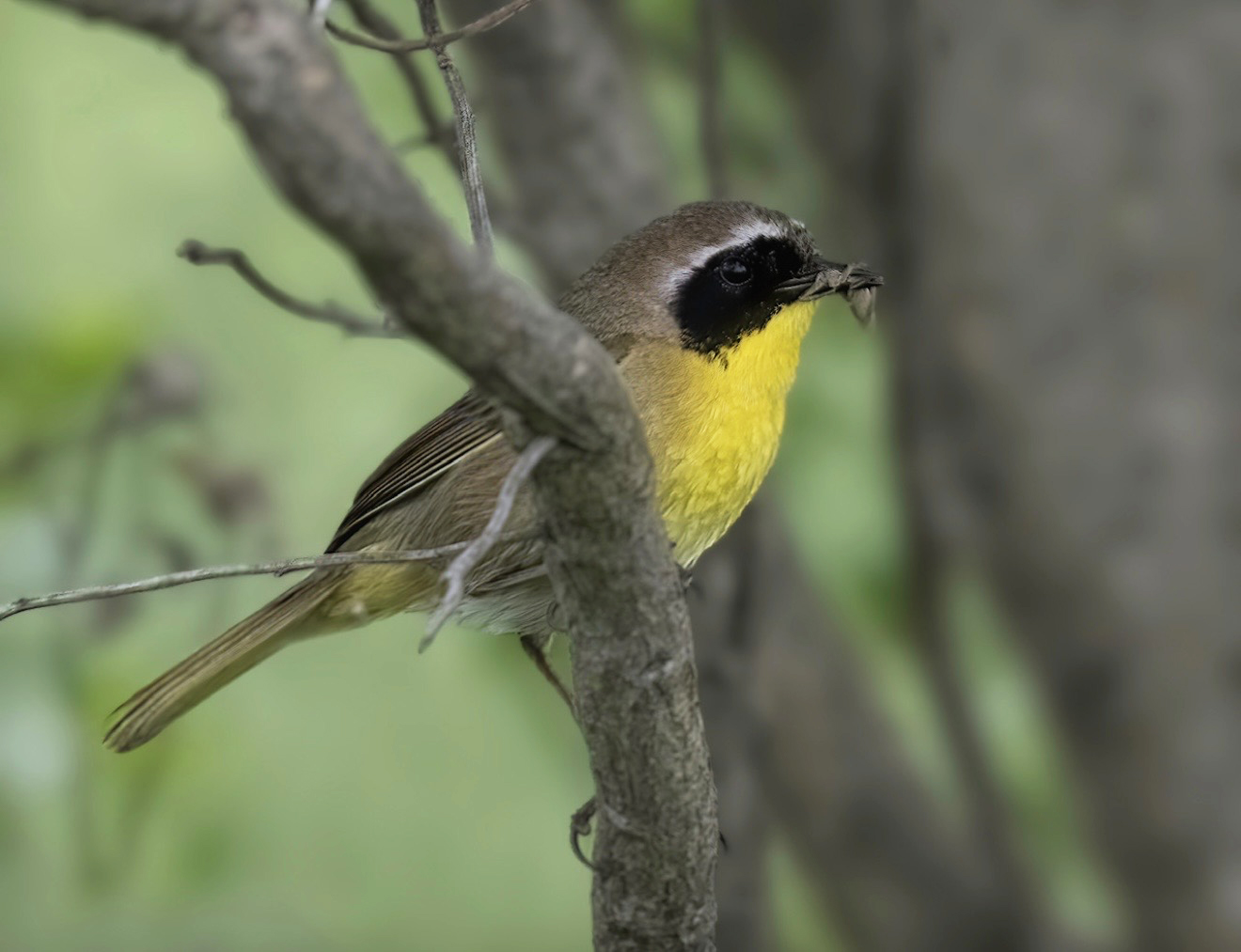
Night lighting in high-rise buildings is another threat to migrating birds. Casualties in Toronto inspired the Fatal Lights Awareness Program (FLAP), which advocates turning office lights off when no one is working. Since 1993, their Lights Out efforts have spread across Canada and the US, and they’ve been involved in litigation against major offenders and development of bird-safe windows.
FLAP says 25 million migrants are killed each year in collisions with buildings in Canada alone. Annual estimates for the US have run as high as a billion. Scientists freely admit that no one knows for sure. Declining and otherwise sensitive species are among the dead at both high-rises and communications towers.
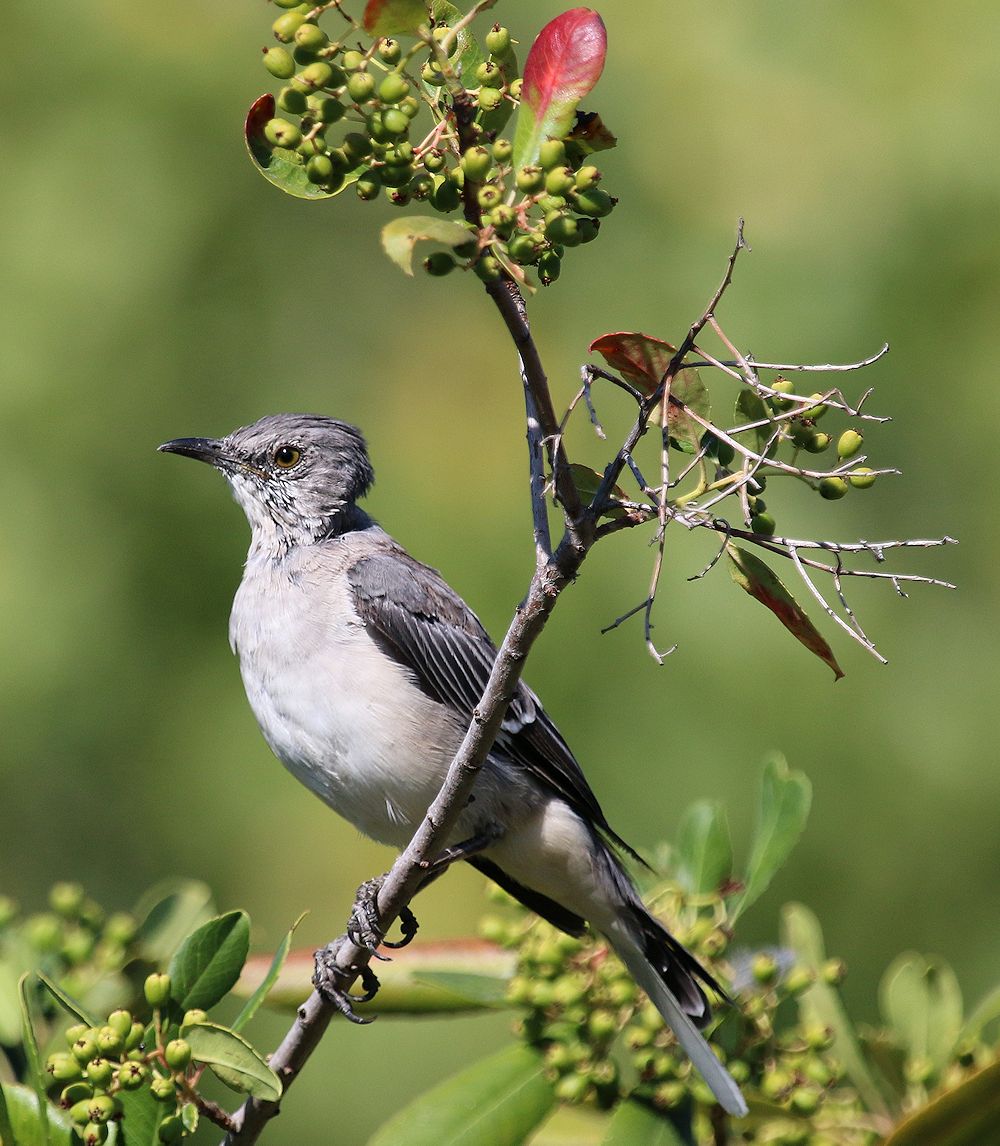
Some songbirds, like the famous common nightingales, sing at night. Typically, only unpaired male northern mockingbirds are nocturnal singers, but mated mates may also vocalize under artificial light. ALAN gives diurnal birds including Eurasian blackbirds, lesser kestrels, corvids, and (depending on the tides) shorebirds extra foraging time but also extends their risk of predation. In the laboratory, Valentina Alaasam found that artificial light was associated with disrupted sleep and elevated stress-related hormone levels in zebra finches. ALAN exposure also appeared to advance the migratory timing of purple martins and red-headed buntings.
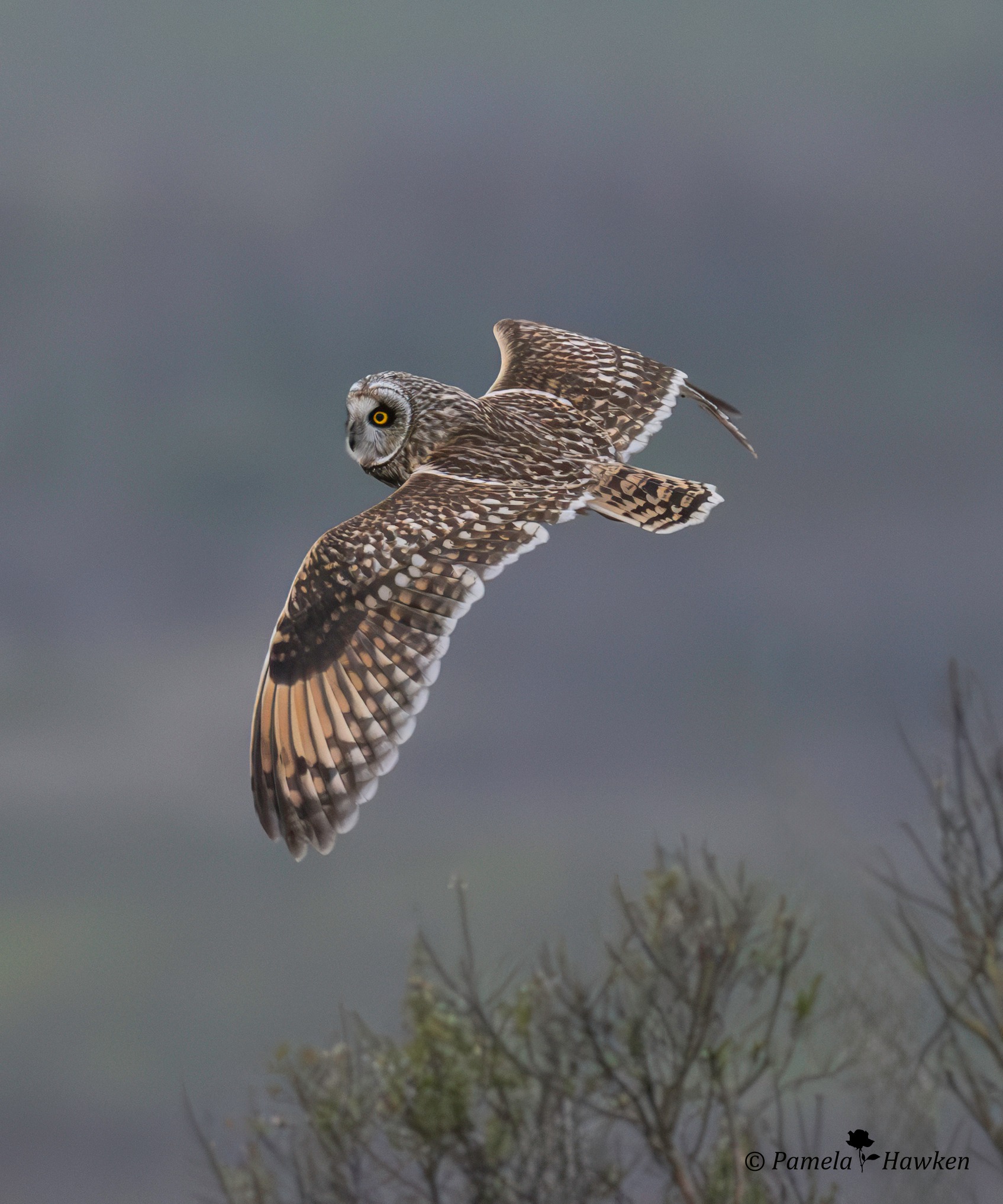
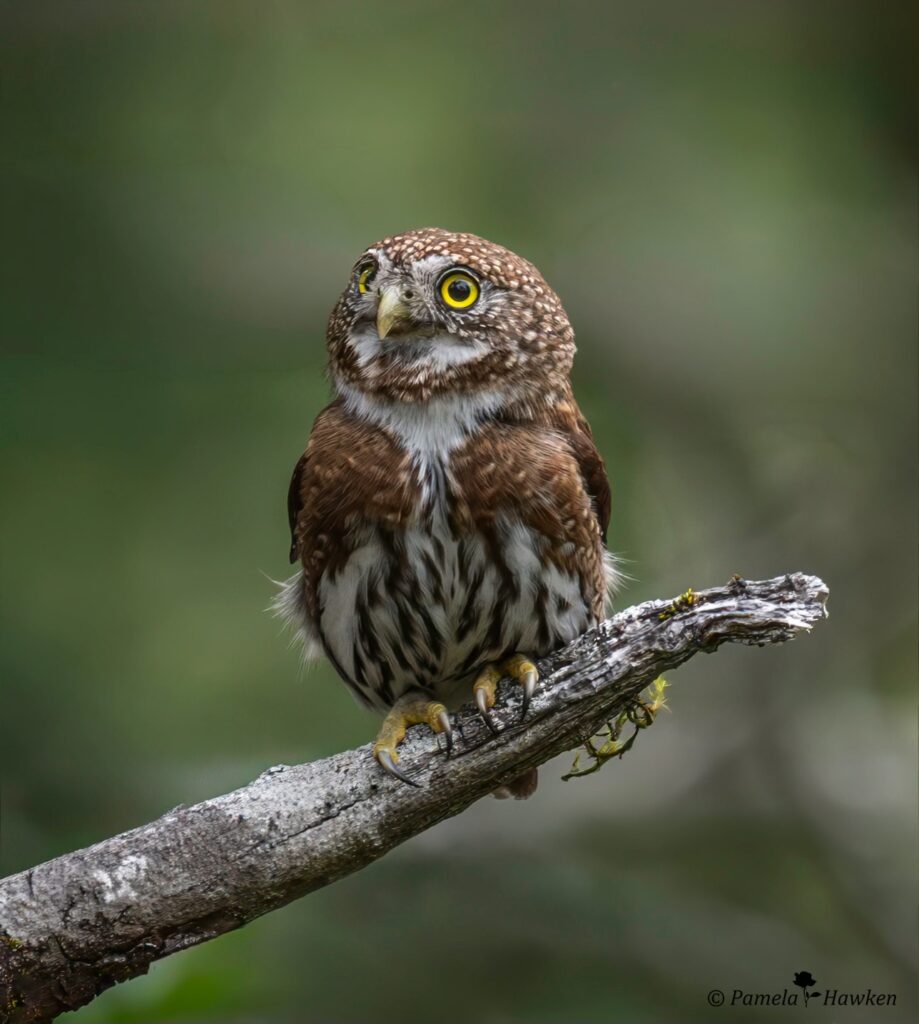
Among the diurnal raptors, a few species—the Afro-Asian bat hawk, the Australian letter-winged kite, and the bat falcon of the American tropics—hunt at dusk or after dark. The two avian orders with the highest number of nocturnal species, though, are the owls (248 species) and the nightjars and their relatives (132 species). A few of these are semi-diurnal, like the burrowing owl, or crepuscular (active at dawn and/or dusk) like the short-eared owl and the common nighthawk.
But the majority of both groups are true children of the night.
ALAN’s effect on owls and nightjars is complicated. Romain Sordello and two other French scientists recently reviewed 64 studies of light-pollution impacts involving 25 owl species. Among the findings they highlighted, western barn owls and short-eared owls were more efficient in catching rodents under artificial light. Burrowing owls in Argentina and Florida chose nest sites near streetlights. In the Argentine study, the owls clearly exploited the insect bonanza at lights and fledged more offspring in lit areas.
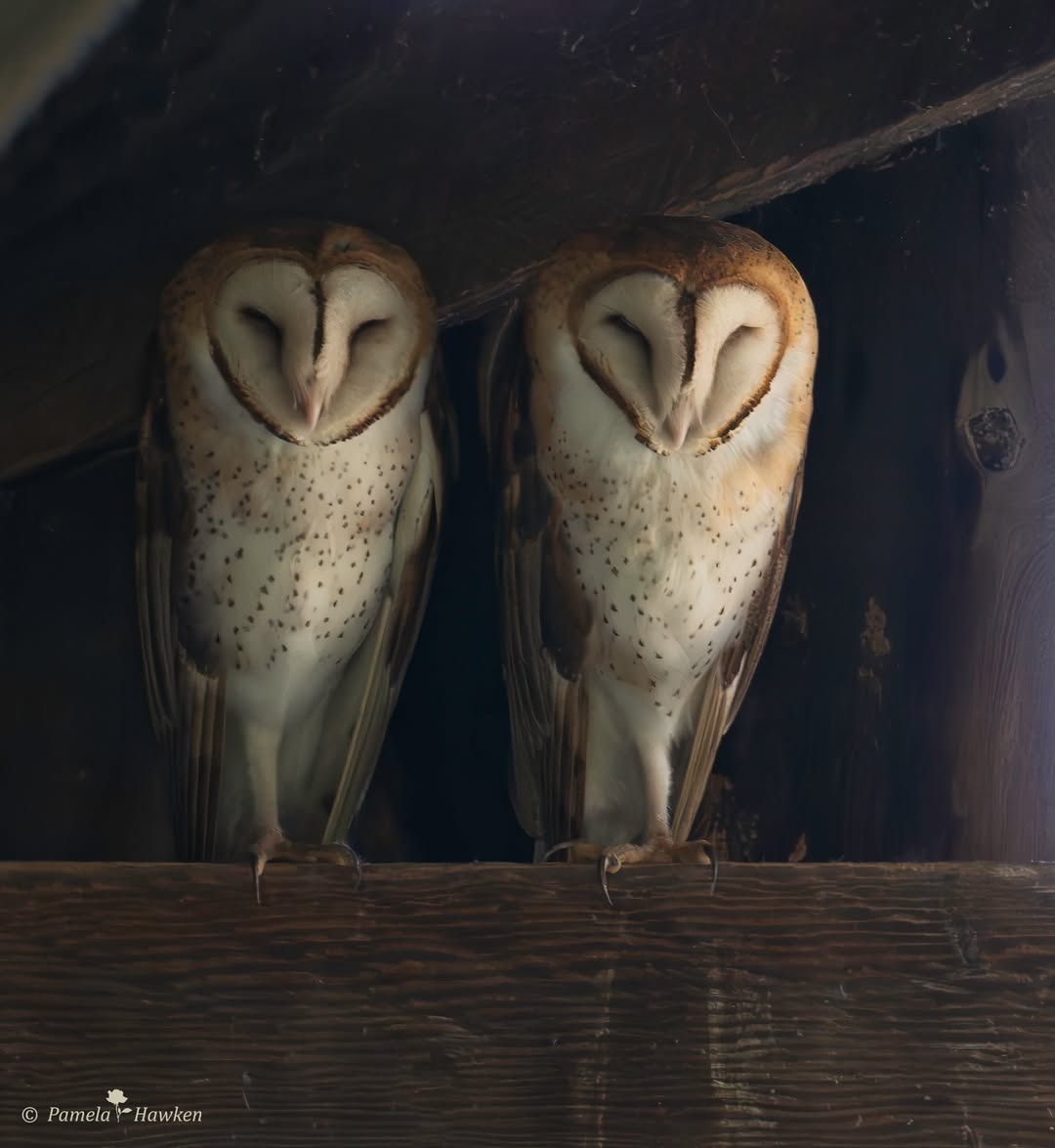
On the other hand, ALAN was associated with decreased territory occupancy and abandonment of nest sites by tawny owls in the United Kingdom and reduced nest box occupancy of western barn owls and tawny owls in Hungary. Mottled owls and tawny owls called less frequently in night-lit settings, but New Zealand morepork owls appeared unaffected. According to ecological consultant Stephen Ambrose, collisions with lighted windows are a significant cause of death for powerful owls in Australia.
There are few published reports on how ALAN influences the behavior of nightjars and their kin. Most are insect eaters, although the North American chuck-will’s-widow also takes small birds. Like burrowing owls, common nighthawks in British Columbia took advantage of lights that attract insects, but nighthawks and common poorwills were more subject to nest predation in brightly lit locations. Eurasian nightjars in Switzerland abandoned light-polluted nest sites despite an abundance of moths.
One complicating factor: different wavelengths of light affect nocturnal birds and other animals differently. “Birds’ magnetic compasses seem to break down in red light,” said Gauthreaux. But red light has the least impact on moths. In her zebra finch study, Alaasam noted that the white light typical of LEDs was associated with different behavioral effects than yellow lights: “So spectral composition matters.” Some bat species avoid white lights; others seek them out. Ambrose reports that blue light can damage the photoreceptors of an owl’s eye.
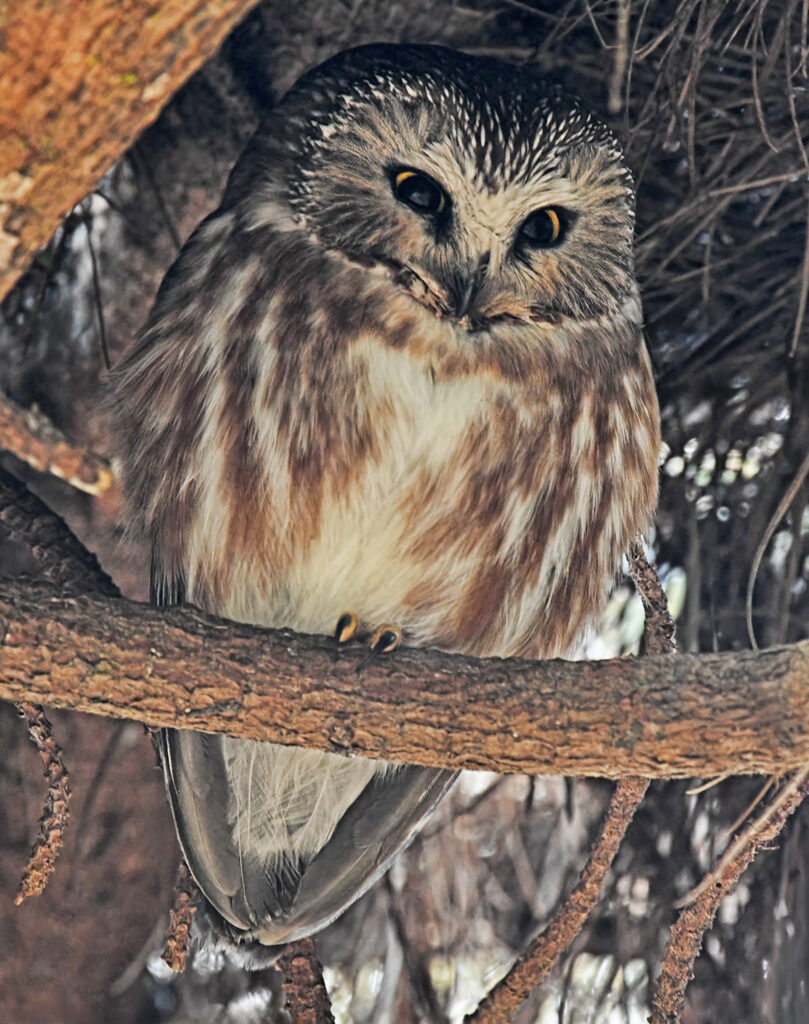
One study found that migrating northern saw-whet owls were less active on full moon nights when they are more vulnerable to predators. Artificial light at night could affect their behavior similarly.
“This is an area that is deeply lacking in cohesive studies, especially given the illumination we have imposed on the planet,” says ecologist Allen Fish. The stakes are high, given the alarming population declines among insects, amphibians, birds, bats and other groups and the many other stressors they experience.
Other resources:
ALAN has inspired scores of scientific papers and entire books, like Paul Bogard’s The End of Night, and Lights Out (great picture book for kids). The following are referenced in—or expand upon—this article:
- DarkSky International (an extensive user-friendly database)
- Artificial light at night; A research field in action, by Lesley Evans Ogden, 2023 (a nontechnical review of current research, including zebra finch study and data gaps)
- Insights into the impacts of three current environmental problems on amphibians, by Himangshu Dutta, 2018 (how ALAN affects frogs)
- Impact of artificial lighting on…two species of frugivorous bats, by José M. Hoyos-Díaz et al., 2018 (Venezuela)
- A narrative review of the mpact of anthropogenic light and noise on owls, by Romain Sordello et al., 2026
- Lunar influence on the fall migration of Northern saw-whet owls by Jackie Speicher et al., 2011
- Effects of artificial light on two crepuscular bird species (nighthawks and poorwills) by Carrie Ann Adams et al., 2024