Joe Eaton
(Full article from RATS Tales Fall 2019)
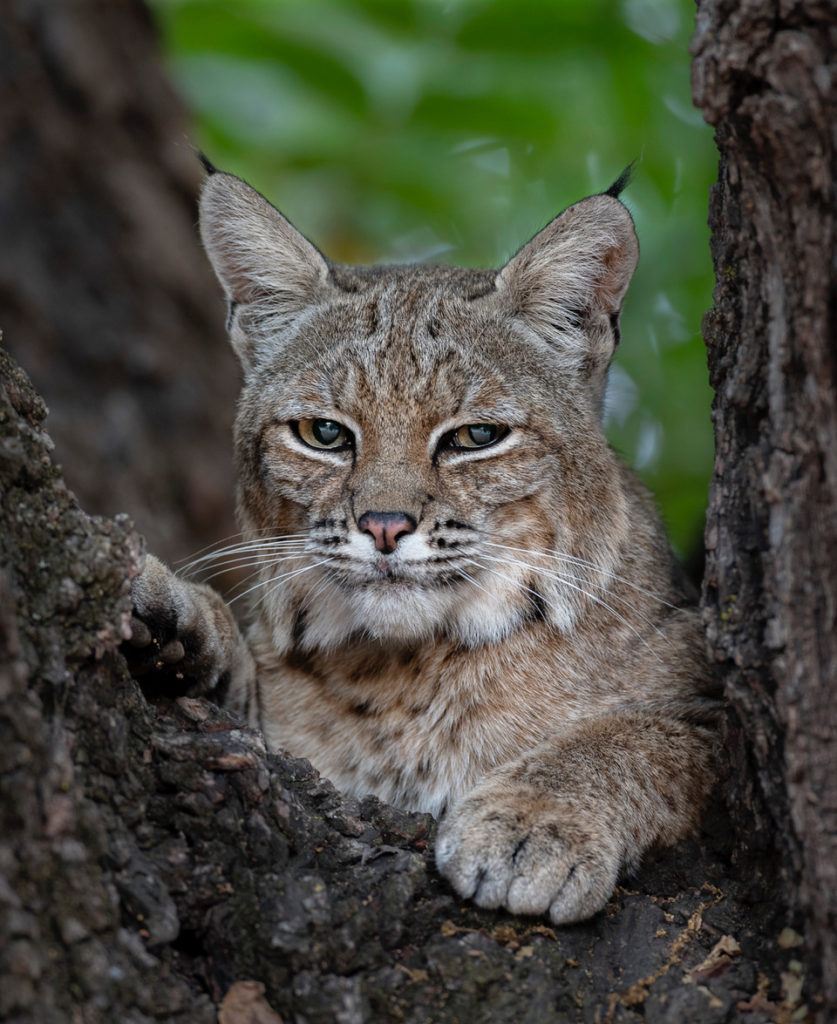
Second generation anticoagulant rodenticides (SGARs) have plagued Southern California’s wild cats, causing direct mortality of bobcats and mountain lions; UCLA researchers Devaughn Fraser and Laurel Serieys have also shown that the poisons make bobcats more susceptible to mange. The cats are exposed by eating rodents that have consumed ARs or, with the mountain lions, eating smaller predators that fed on the rodents. This spring, a three-year-old male mountain lion designated P-47 was found dead in the Santa Monica Mountains with residues of six ARs—brodifacoum, bromadiolone, chlorophacinone, difethialone, diphacinone, and difenacoum—in his system.
Matt Kouba, now superintendent of the Conejo district, was a ranger when bobcats radiotagged by National Park Service biologists turned up on the district’s land with near-fatal mange. “That’s why we shut down our anticoagulant use,” he recalls. “Since then, we’ve been trying to lower our use of toxins overall.” The park district now deploys mechanical devices to control rats and gophers. Meanwhile, the Ventura County Flood Control District has enlisted the area’s red-tailed hawks by installing perches near the district’s parks.
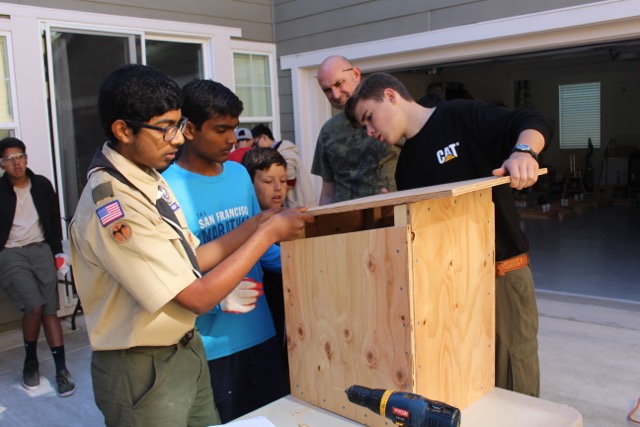
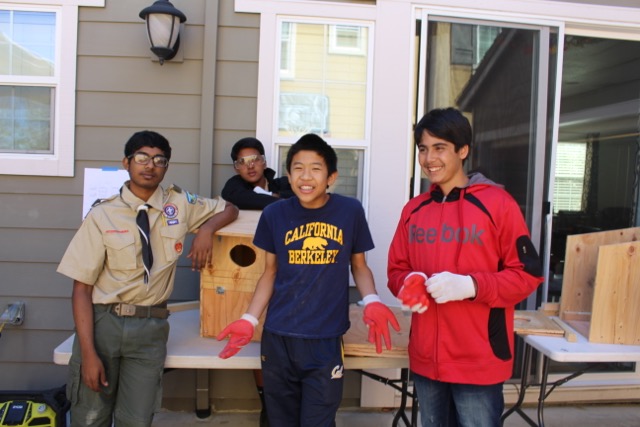
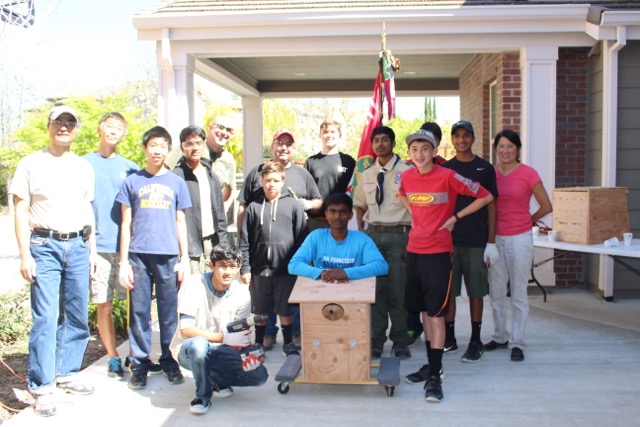
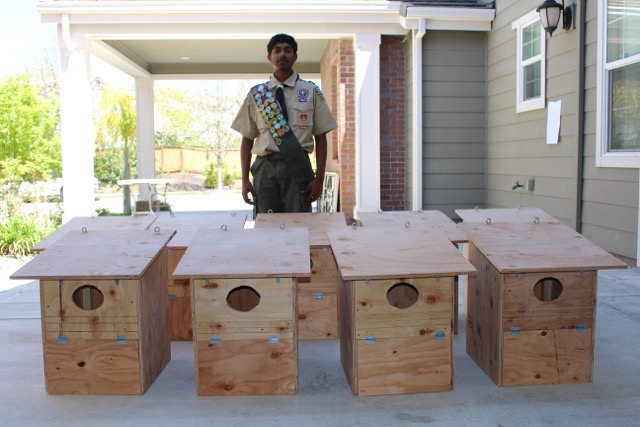
For the Ojai school district, eliminating rodenticides was part of a philosophy that had previously eliminated the herbicide glyphosate on school properties. “The district wants to reflect the values of the community, including environmental stewardship,” says superintendent Tiffany Morse. The change wasn’t a tough sell in Ojai, a community near the Los Padres National Forest known for its music festival and a tradition of eclectic spirituality. “We didn’t want rodents running rampant in the schools, so we worked to come up with alternatives—securing buildings, cutting back vegetation, using electric traps,” Morse explains. Partnering with the district, the Ojai Raptor Center will place owl boxes on school grounds this fall.
The Rancho Simi park district’s recent decision recognized the impact of ARs on non-target creatures. “We are certainly aware of the continuing and growing concerns surrounding the use of anticoagulant rodenticides and their potential harmful effect on other wildlife through secondary exposure,” district board member Brian Dennert told the Ventura County Star. Non-anticoagulants will remain in use.
Although the school and park districts have stepped up, birds of prey and carnivorous mammals will remain at risk as long as private use of rodenticides in the wildland-urban interface continues. “We have a lot of acreage in the park district, but there are 20,000 homes here,” says Kouba. “Homeowners can do whatever they want.”